

Highlighted Papers
-
Sabbir Hossen et al. “Who Pays for Efficient Inference? Confidence-Based Small-to-Large LLM Routing Across Tasks and Languages.” To see more details, [click here→].
-
Sabbir Hossen et al. “How Much Can We Compress Small LLMs? Quantization Trade-offs for Low-Resource Bangla Language Understanding.” To see more details, [click here→].
Publications
This section is not updated regularly and may not include my latest publication. For the most current and complete records, please visit Google Scholar.
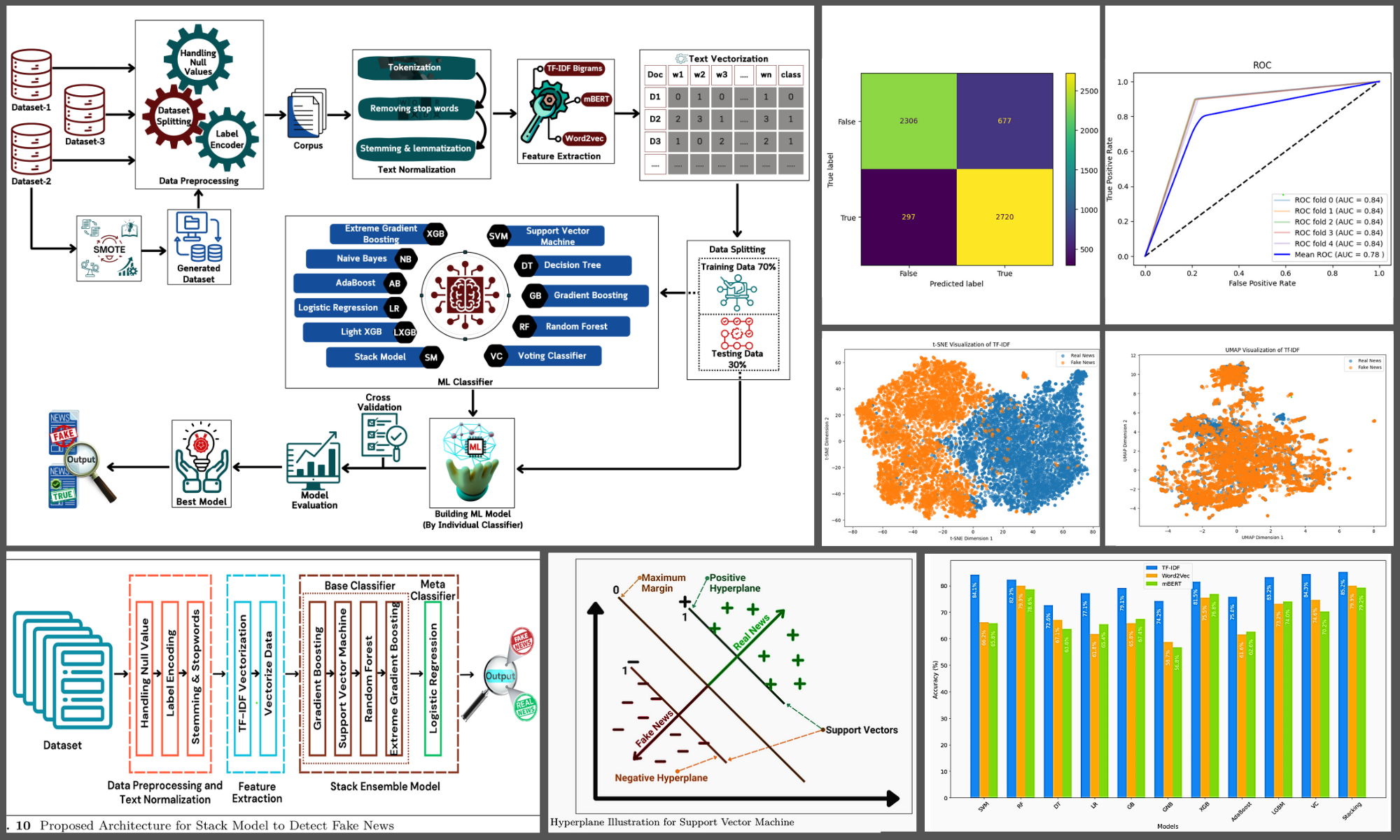
The rapid spread of fake news through social media and the internet poses a major challenge, especially in developing countries like Bangladesh. Fake news, consisting of misleading or fabricated content, can severely impact individuals, organizations, and society. Many existing detection methods are complex and resource-intensive, making them unsuitable for real-time applications or low-resource languages. To address this issue, we proposed an efficient fake news detection system using a stacked machine learning model with TF-IDF for feature extraction. TF-IDF converts text into a numerical representation by emphasizing key terms, while the stacked ensemble model improves classification accuracy by integrating multiple machine learning algorithms. We also explored various machine learning classifiers, as well as the mBERT and Word2Vec feature vectorization techniques. We evaluated our system using three datasets: one English and two Bangla fake news detection datasets. The TF-IDF + Stacking model achieved 99.6% accuracy and a 99.8% F1-score on the English dataset. For the first Bangla dataset, accuracy improved from 74.8% to 85.2% after applying SMOTE. On the second Bangla dataset, BanFakeNews, the model achieved 98.4% accuracy, demonstrating strong performance across languages. This research introduces a lightweight yet highly effective machine learning-based fake news detection system, making it suitable for real-world applications, especially in multilingual and resource-limited settings.
@article{Hossen2023Sophisticated,
  title={A Sophisticated Feature Vectorization-Based Stacked Machine Learning Approach for Fake News Detection in Bangla and English},
  author={Hossen, Md. Sabbir and Al Farid, Fahim and Shaha, Pabon and Twake, Md. Mowahibur Rahman and Sabah, Fahjimatus and Rezwan, Mursalin Billah and Rahman, Anichur and Karim, Hezerul Abdul and Miah, Abu Saleh Musa},
  journal={Social Network Analysis and Mining},
  year={2025},
  publisher={Springer}
}
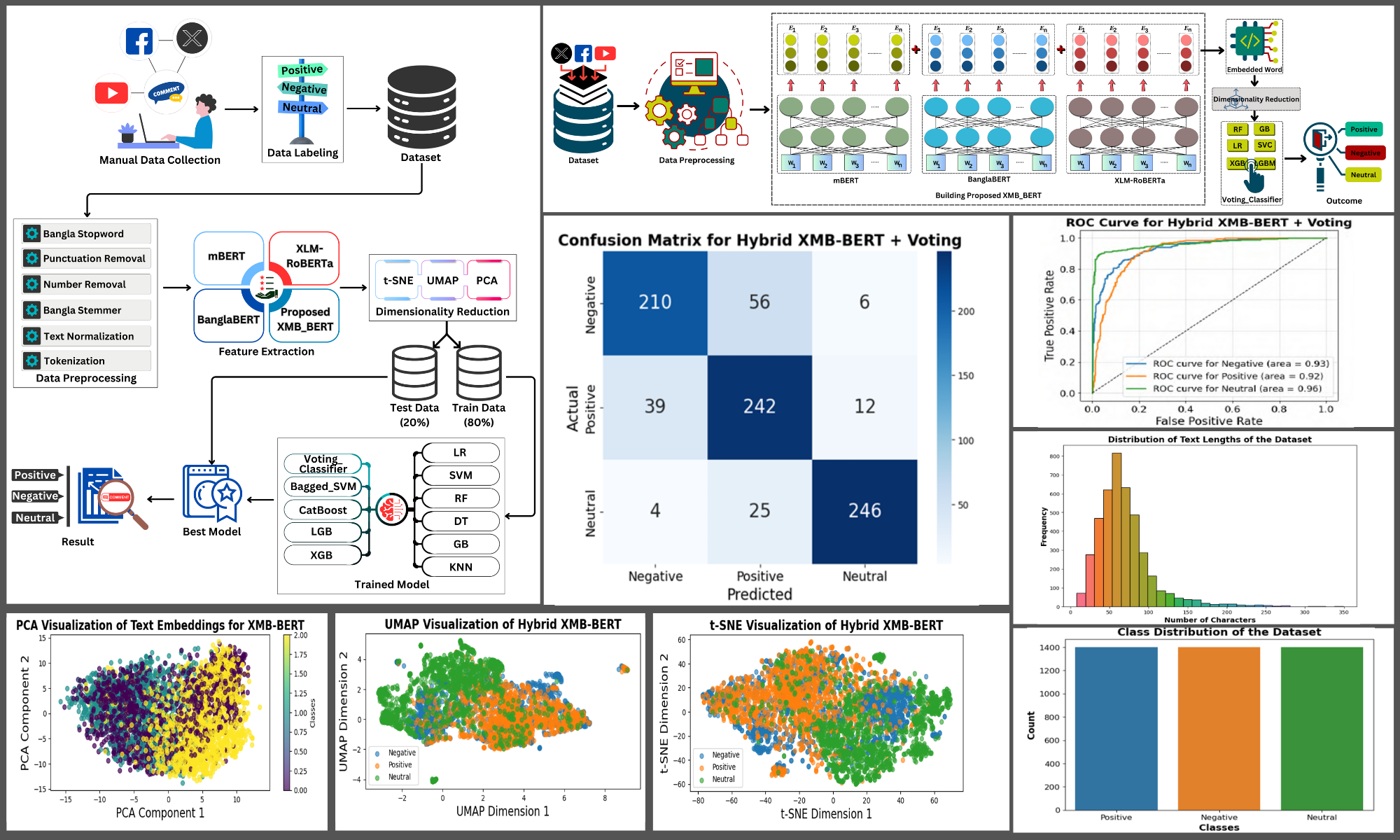
The July Revolution in Bangladesh marked a significant student-led mass uprising, uniting people across the nation to demand justice, accountability, and systemic reform. Social media platforms played a pivotal role in amplifying public sentiment and shaping discourse during this historic mass uprising. In this study, we present a hybrid transformer-based sentiment analysis framework to decode public opinion expressed in social media comments during and after the revolution. We used a brand new dataset of 4,200 Bangla comments collected from social media. The framework employs advanced transformer-based feature extraction techniques, including BanglaBERT, mBERT, XLM-RoBERTa, and the proposed hybrid XMB-BERT, to capture nuanced patterns in textual data. Principle Component Analysis (PCA) were utilized for dimensionality reduction to enhance computational efficiency. We explored eleven traditional and advanced machine learning classifiers for identifying sentiments. The proposed hybrid XMB-BERT with the voting classifier achieved an exceptional accuracy of 83.7% and outperform other model classifier combinations. This study underscores the potential of machine learning techniques to analyze social sentiment in low-resource languages like Bangla.
@inproceedings{hossen2025july,
author = {Hossen, Md Sabbir and Saiduzzaman, Md and Shaha, Pabon},
title = {Social Media Sentiments Analysis on the July Revolution in Bangladesh: A Hybrid Transformer Based Machine Learning Approach},
booktitle = {Proceedings of the 17th International Conference on Electronics, Computers and Artificial Intelligence (ECAI)},
year = {2025},
publisher = {IEEE}
}
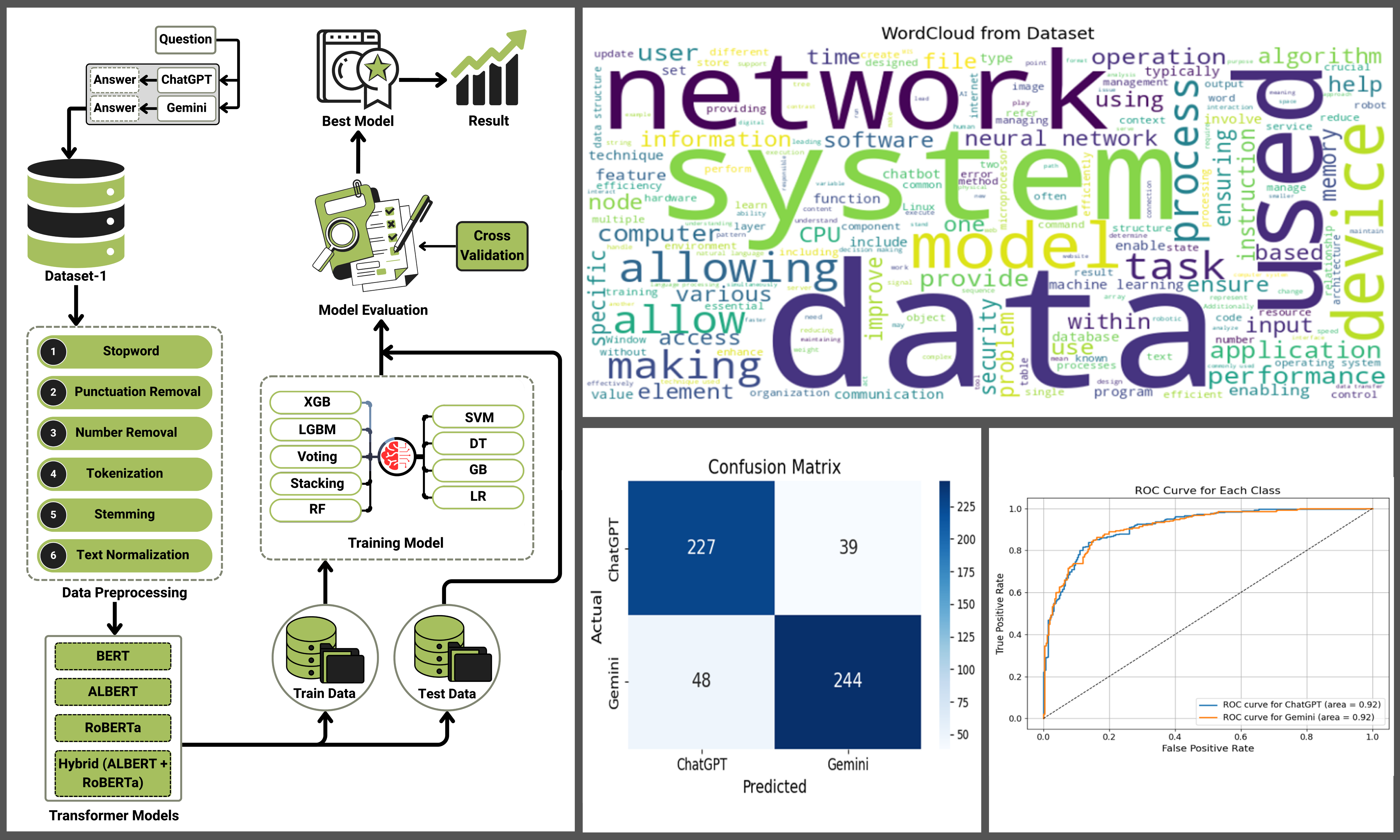
Generative AI models capable of producing human-like text, images, and other content are rapidly transforming the digital landscape. As their use becomes increasingly widespread across domains such as education, media, and communication, their outputs are shaping public discourse, influencing opinions, and even spreading misinformation. In this context, accurately identifying the source of AI-generated text is becoming increasingly crucial for ensuring transparency and accountability, protecting information integrity, mitigating deception, and fostering public trust in digital content. This study presents a source attribution framework designed to distinguish between texts generated by two leading large language models: ChatGPT and Gemini. A dataset of 2,786 AI-generated samples was constructed for this purpose. We employed transformer-based feature extraction techniques, including BERT, ALBERT, and RoBERTa, as well as a Hybrid model (AR-BERT, which combines ALBERT and RoBERTa), to capture distinctive linguistic signatures. This was followed by classification using nine traditional and ensemble machine learning algorithms. Among these, the AR-BERT-based features combined with a stacking ensemble classifier, StackTrace-AI, achieved the highest accuracy of 84.44%, surpassing all other combinations. The findings underscore the viability of transformer-driven source detection and offer valuable insights for advancing AI accountability, generative content auditing, and responsible AI governance.
@inproceedings{Shaha2025StackTrace,
  title={StackTrace-AI: Identifying Generative AI Text Origins using Ensemble Learning},
  author={Shaha, Pabon and Hossen, Md. Sabbir and Sojib, Md. Ibrahim Hosen and Akter, Sanjida and Saiduzzaman, Md. and Nasir, Mostofa Kamal},
  booktitle={{IEEE 2nd International Conference on Computing, Applications and Systems (COMPAS 2025)}},
  year={2025},
  address={Kushtia, Bangladesh},
  organization={IEEE}
}
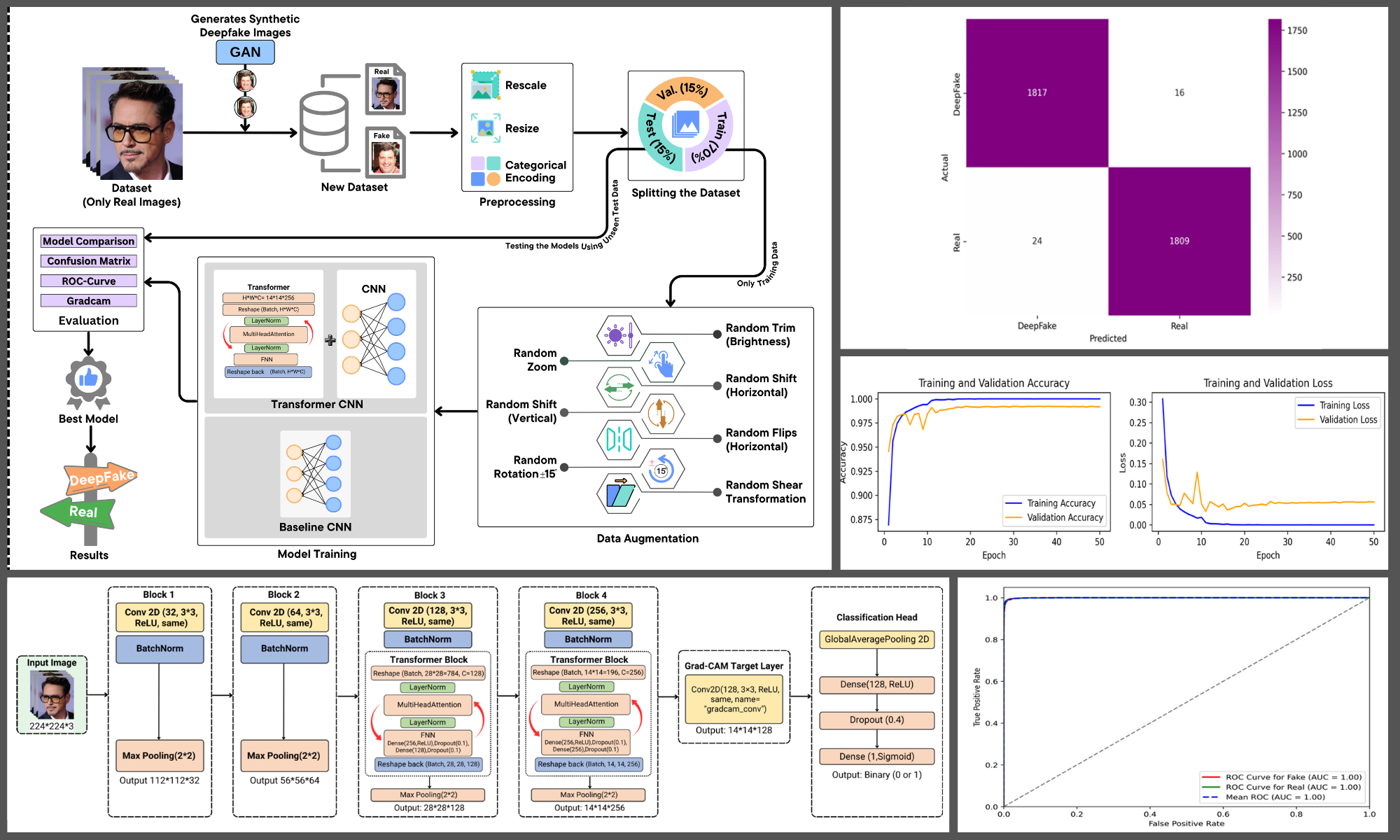
The rapid advancement of deepfake technology has raised serious concerns regarding digital authenticity, misinformation, and media trust. By enabling the creation of hyper-realistic manipulated media, deepfakes pose significant risks to security, privacy, and the integrity of digital communication. Social platforms are increasingly flooded with such AI-generated content, which can deceive human perception, spread misinformation, and undermine the credibility of multimedia information. Therefore, early detection of deepfakes is crucial. In this research, We focus on developing a robust detection framework to distinguish between genuine and artificially generated deepfake face images. For this purpose, a dataset of 12.2k authentic images was collected, and an additional 12.2k deepfake images were generated using a generative adversarial network (GAN), ensuring a balanced dataset for real versus fake image classification. We present a custom CNN-transformer hybrid framework, T-CNN, for deepfake detection. The proposed framework leverages convolutional layers for spatial feature extraction and transformer-based attention mechanisms to capture contextual dependencies within facial patterns. The experimental evaluation demonstrates that the custom CNN-transformer model achieves an exceptional accuracy of 99.3%. This study underscores the importance of hybrid deep learning approaches in addressing the growing challenge of deepfake detection and highlights their potential for safeguarding digital authenticity, particularly within the domain of facial image verification.
@inproceedings{Hossen2024TransCNN,
  title={TransCNN: A Hybrid CNN–Transformer Synergy for Reliable Deepfake Forensics},
  author={Hossen, Md. Sabbir and Saiduzzaman, Md.},
  booktitle={2024 27th International Conference on Computer and Information Technology (ICCIT)},
  year={2024},
  address={Cox's Bazar, Bangladesh},
  organization={IEEE}
}
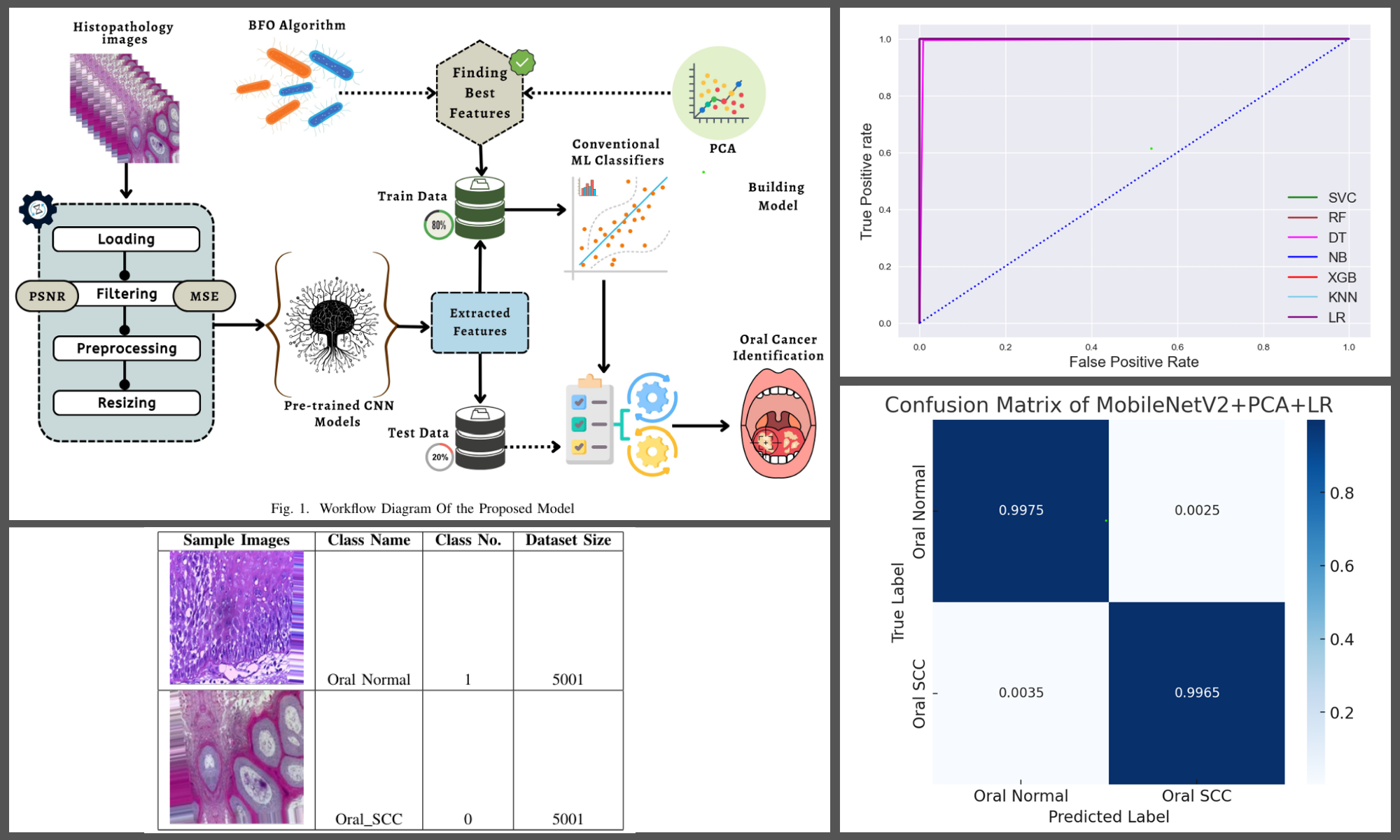
Oral Squamous Cell Carcinoma (OSCC) is a prevalent and deadly form of oral cancer, responsible for approximately 3% of all cancer cases worldwide and over 330,000 deaths annually. Early detection is critical for effective treatment and improved outcomes. Traditional diagnosis through manual examination of histopathological images is time-consuming and subjective. Recent advances in AI-guided computer vision have shown promise, though many approaches require extensive computational resources and large datasets. This paper introduces a cascaded network that integrates deep learning and traditional machine learning techniques for detecting Oral Squamous Cell Carcinoma (OSCC) from histopathology images. The proposed framework employs a comprehensive approach that includes three feature selection strategies—Principal Component Analysis (PCA), Bacterial Foraging Optimization (BFO), and a no-optimization baseline—to assess the impact of feature refinement on classification performance. An exhaustive search strategy was used to evaluate five widely adopted Convolutional Neural Network (CNN) models for feature extraction. The extracted features were subsequently either optimized using PCA or BFO or left unoptimized to identify the most informative subsets. These feature sets were then fed into seven traditional machine learning classifiers to perform OSCC detection. The MobileNetV2-PCA-LR cascaded network demonstrated the best overall performance among the configurations evaluated. This model achieved near-perfect results with an accuracy, precision, recall, and F1-score of 99.70%, while also offering faster image processing times. The proposed cascaded framework thus delivers a balanced solution that combines efficiency, high accuracy, scalability, and robustness, making it a strong candidate for practical and automated OSCC screening in clinical environments.
@INPROCEEDINGS{11160086,
  author={Shuvo, Eshat Ahmad and Shovon, Md. and Sarkar, Md. Nazmul and Hossen, Md. Sabbir and Shaha, Pabon and Rahman, Wahidur},
  booktitle={2025 2nd International Conference on Next-Generation Computing, IoT and Machine Learning (NCIM)},
  title={Optimized Hybrid Cascaded Approach for Accurate Oral Cancer Detection in Histopathology Images Using Deep CNNs},
  year={2025},
  pages={1-6}
}
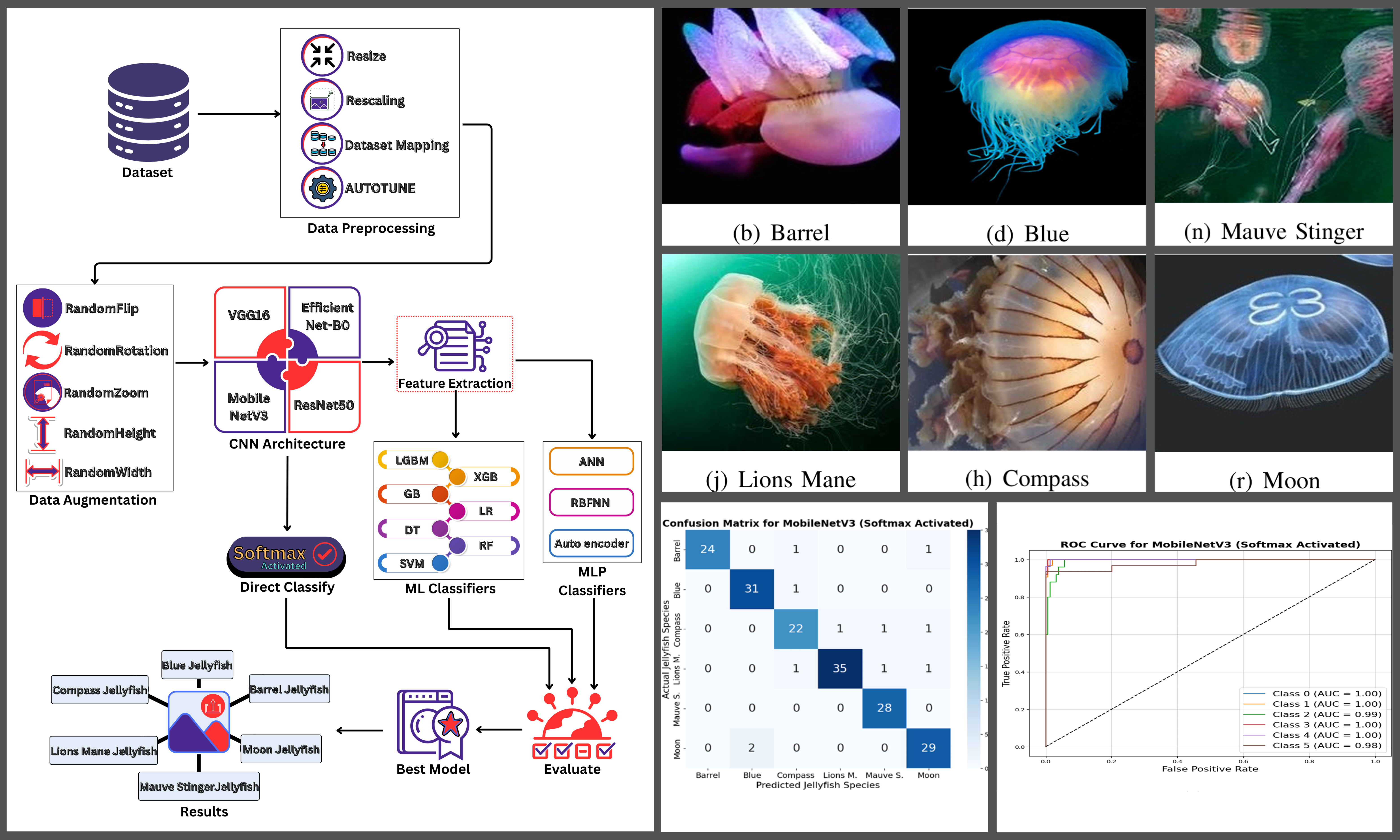
Jellyfish are a diverse category of marine gelatinous organisms that are vital to the balance of aquatic ecosystems, yet they present notable difficulties for biodiversity preservation and ecological management due to their rapid growth and environmental influence. Precisely identifying different types of jellyfish is vital for ecosystem observation and effective control. In this research, we introduced a convolutional neural network-based approach for detecting and classifying jellyfish types utilizing an underwater image dataset. This approach incorporates sophisticated feature extraction methods, such as VGG16, EfficientNetV2-B0, ResNet50, and MobileNetV3, in conjunction with three Feedforward Neural Network classifiers and seven conventional machine learning classifiers, to enhance species recognition accuracy. Moreover, we employed the softmax function for direct classification of jellyfish species through CNN architectures. The integration of the MobileNetV3 with Artificial Neural Network emerged as the most accurate configuration, attaining an impressive accuracy of 98%, and markedly surpassing other combinations of feature extractors and classifiers. This research demonstrates the potential of hybrid models and CNN architectures in tackling biodiversity-related issues and improving species classification in aquatic ecosystems.
@inproceedings{hossen2025jelly,
  author    = {Hossen, M. S. and Saiduzzaman, M. and Shaha, P. and Nasir, M. K.},
  title     = {Jellyfish species identification: A CNN-based artificial neural network approach},
  booktitle = {Proceedings of the International Conference on Quantum Photonics, Artificial Intelligence, and Networking (QPAIN)},
  year      = {2025},
  publisher = {IEEE}
}
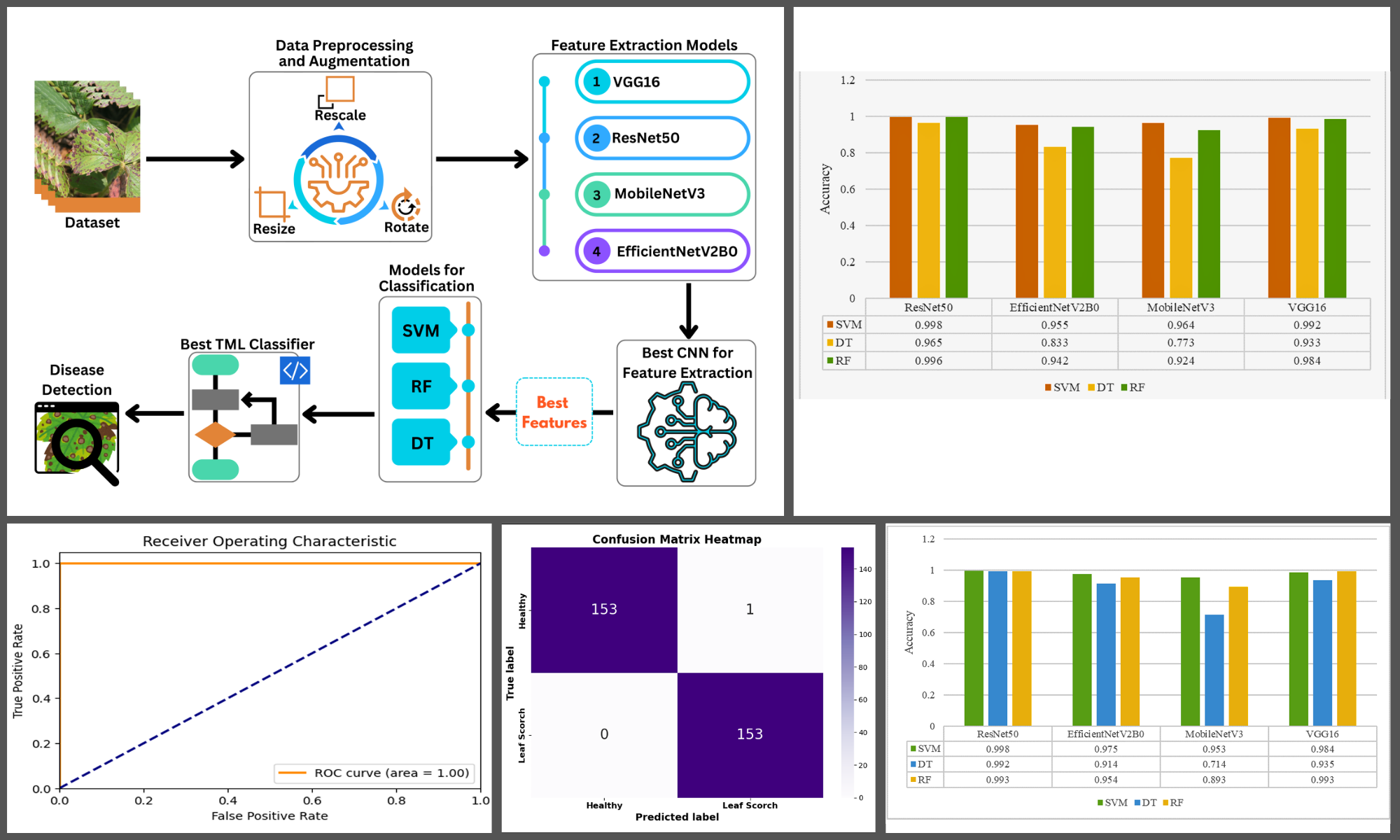
Strawberry production is globally significant because it contains high nutrients. Strawberry leaf disease shapes a significant barrier to strawberry cultivation worldwide. Numerous strawberry leaf diseases can impede the growth of strawberry plants. Leaf Scorch is one of the dangerous strawberry leaf diseases caused by the fungus “Diplocarpon Earliana.” Strawberry leaf disease diagnosis by traditional methods requires a lot of effort and time and is also challenging to identify accurately. In order to increase strawberry production, it is therefore essential to automatically detect strawberry leaf diseases. Machine learning and Deep learning have the potential to detect strawberry leaf diseases automatically. In this paper, we proposed a hybrid Machine Learning methodology using CNN feature extraction with the traditional ML classifier to detect Strawberry Leaf Diseases. For this instance, we used the strawberry leaf dataset from the PlantVillage Updated dataset. Based on our research, ResNet50 with Support Vector Machine diagnoses strawberry leaf scorch with 99.80% accuracy. This research assured sustainable advancements in strawberry production by integrating and offering an effective way to detect strawberry leaf diseases.
@inproceedings{hossen2025strawberry,
  author       = {M. Sabbir Hossen and P. Shaha and M. Saiduzzaman},
  title        = {A Hybrid Machine Learning Approach Utilizing CNN Feature Extraction with Traditional Classifier to Identify Strawberry Leaf Diseases},
  booktitle    = {4th International Conference on Electrical, Computer and Communication Engineering (ECCE)},
  organization = {IEEE},
  year         = {2025}
}
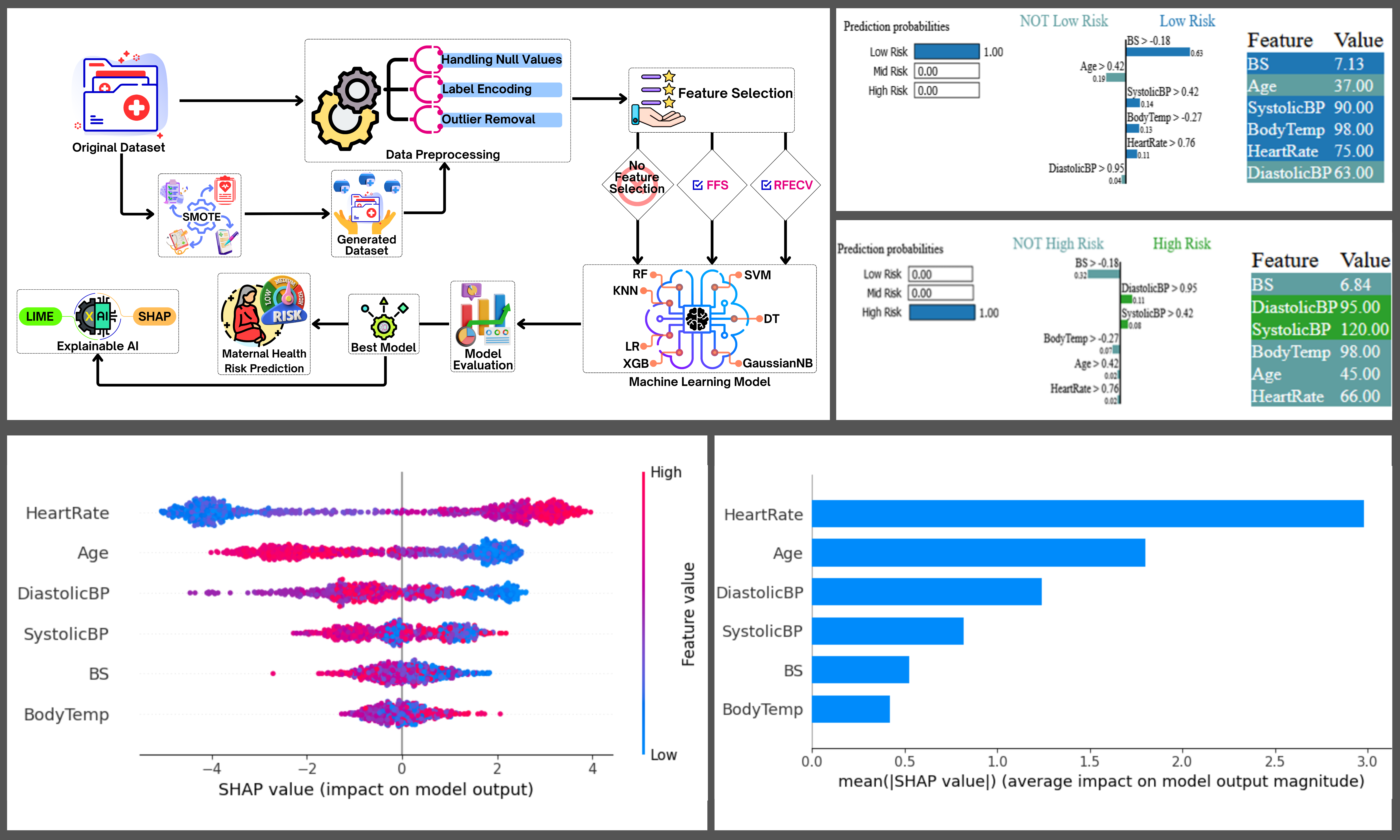
Maternal health during pregnancy is a severe issue, particularly in the rural areas of developing countries like Bangladesh, where a lack of access to healthcare and inadequate infrastructure increase risks. Maternal healthcare has a great deal of difficulty due to the absence of reliable tools for forecasting health concerns. Negative results frequently result from the traditional method's inability to diagnose and manage pregnancy-related problems correctly. While there are several ways to monitor maternal health conditions, machine learning has the potential to increase diagnosis accuracy, efficiency, and speed. In this research, by using several machine learning classifiers, we built a model that can analyze the maternal health risk during pregnancy. The Maternal Health Risk dataset from the UCI machine learning repository was used in this study. SMOTE was utilized to address the class imbalance data and generated an additional 99000 data. We assess the model before and after using SMOTE. Accuracy, precision, recall, and F1-Score were utilized to evaluate the model's performance. Extreme Gradient Boosting (XGBoost) is our standout performer, with an accuracy of 84% and 95% before and after using SMOTE, respectively. Additionally, Explainable AI was used to increase the model's readability. This study demonstrates the power of machine learning, which could revolutionize maternal health care by identifying maternal health risks early.
@inproceedings{hossen2025maternal,
  author       = {M. Sabbir Hossen and P. Shaha and M. Saiduzzaman and M. Shovon and A. Khatun Akhi and M. Sadiq Iqbal},
  title        = {An Explainable AI Driven Machine Learning Approach for Maternal Health Risk Analysis},
  booktitle    = {27th International Conference on Computer and Information Technology (ICCIT)},
  organization = {IEEE},
  year         = {2024}
}
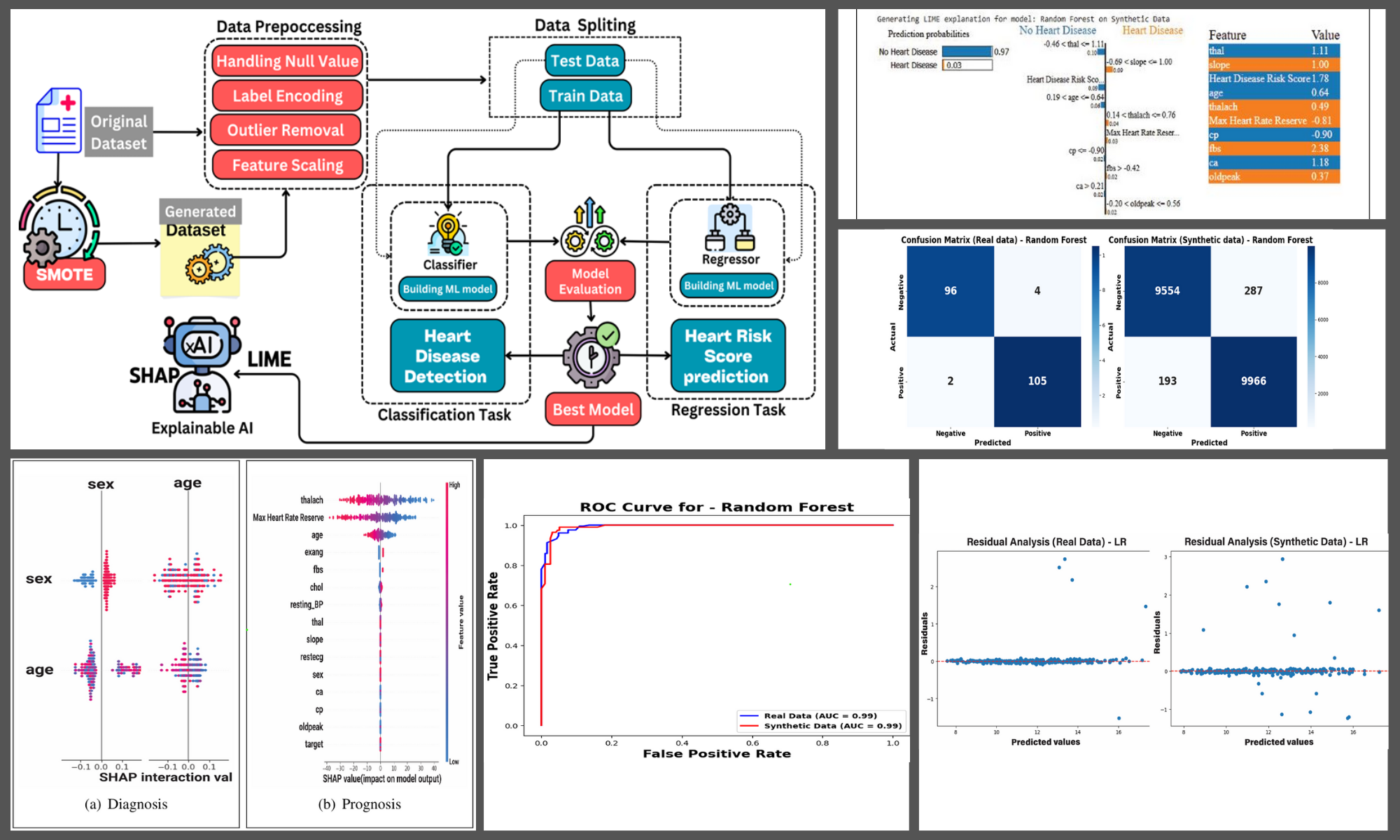
Heart disease continues to pose a critical worldwide health issue, more specifically in areas with insufficient access to healthcare infrastructure and diagnostic systems. Conventional diagnostic approaches often fall short in accurately detecting and managing heart disease risks, resulting in unfavorable outcomes. Machine learning presents a powerful means to boost the precision and reliability of cardiovascular disease prognosis and diagnosis. In this research, we introduced a unified approach incorporating classification techniques for detecting heart disease and regression techniques for forecasting associated risks. The analysis utilized the dataset, named Heart Disease, containing 1,035 instances. To mitigate the problem of data disproportion, the SMOTE was implemented, producing 100,000 additional synthetic samples. Evaluation metrics such as F1-score, recall, precision, accuracy, MAE, RMSE, MSE, and R² were adopted to evaluate the performance of the models. Among the classification algorithms, Random Forest delivered the most notable results, attaining an accuracy of 0.972 on actual data and 0.976 on artificially generated data. For prediction modeling, for both synthetic and real samples, linear regression produced the best R2 values of 0.992 and 0.984, respectively, along with the least amount of measurement errors. Furthermore, Explainable AI methods were utilized to improve the comprehensibility of the model outcomes. This paper emphasizes the transformative capabilities of machine learning for diagnosing cardiovascular disease and estimating risk levels, thereby supporting timely interventions and enhancing clinical settings.
@inproceedings{hossen2025cardiovascular,
  author    = {Sourov, M. E. A. and Hossen, M. S. and Shaha, P. and Hossain, M. M. and Iqbal, M. S.},
  title     = {An Explainable AI-Enhanced Machine Learning Approach for Cardiovascular Disease Detection and Risk Assessment},
  booktitle = {Proceedings of the International Conference on Quantum Photonics, Artificial Intelligence, and Networking (QPAIN)},
  year      = {2025},
  publisher = {IEEE}
}
Submitted Manuscripts
 How Much Can We Compress Small LLMs? Quantization Trade-offs for Low-Resource Bangla Language Understanding
arXiv Preprint, 2026
Abstract:
How Much Can We Compress Small LLMs? Quantization Trade-offs for Low-Resource Bangla Language Understanding
arXiv Preprint, 2026
Abstract:
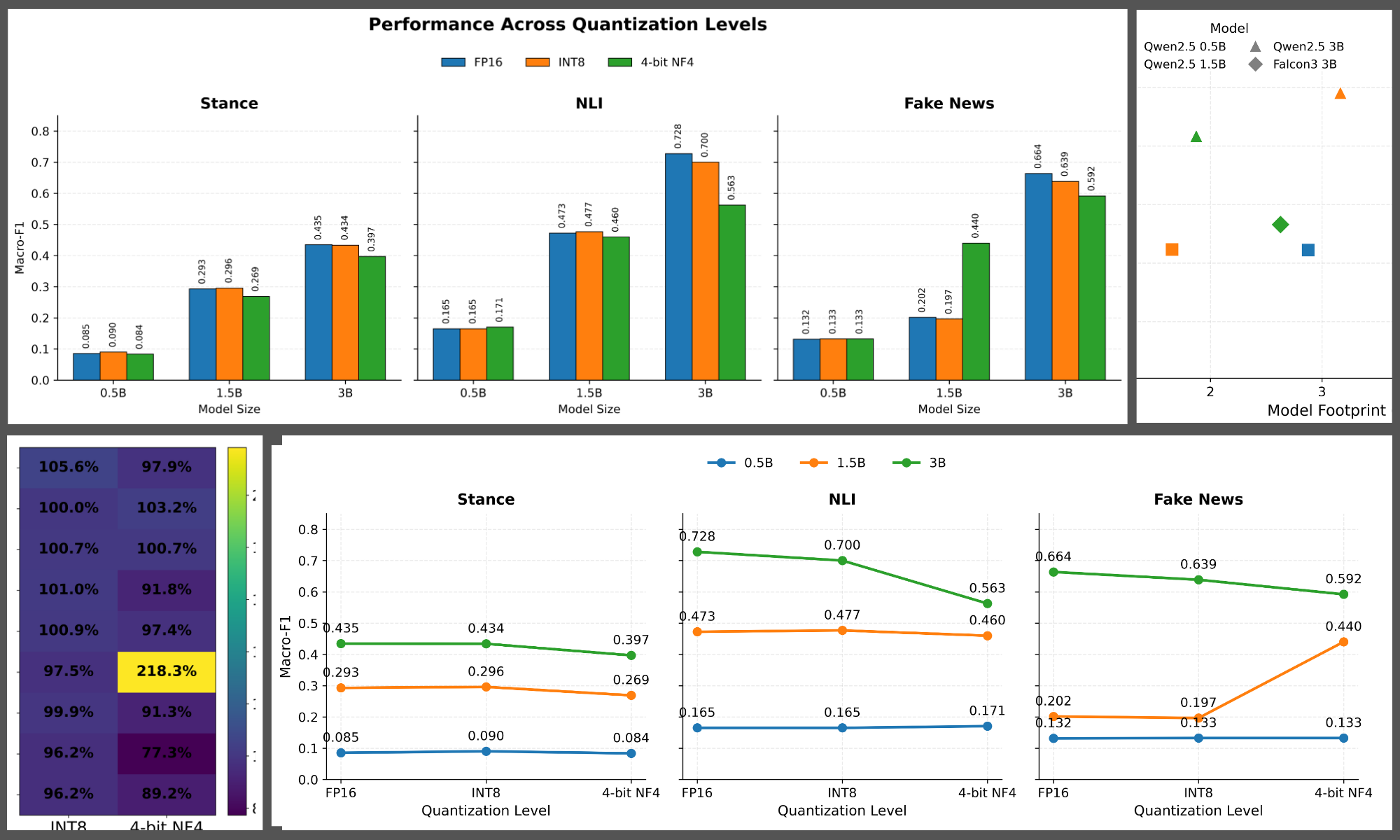
Large language models (LLMs) offer strong multilingual capabilities, but their memory requirements hinder deployment in resource-constrained settings, particularly for low-resource languages. Although post-training quantization can reduce these requirements, its effects on low-resource language understanding remain insufficiently characterized. We present a controlled study of model capacity and quantization for Bangla language understanding using Qwen2.5 models at 0.5B, 1.5B, and 3B parameters under FP16, INT8, and 4-bit NormalFloat (NF4) across stance classification, natural language inference, and fake-news classification, with Falcon3-3B providing cross-family validation. Qwen2.5-3B FP16 achieves Macro-F1 scores of 0.435, 0.728, and 0.664 across the three tasks, while the 0.5B model exhibits class collapse even before quantization. INT8 retains 96.2–99.9% of Qwen2.5-3B performance, whereas NF4 retention ranges from 77.3–91.3%. On an NVIDIA Tesla T4, INT8 and NF4 reduce the Qwen2.5-3B footprint by 45.0% and 67.4%, respectively, but neither improves inference speed. These findings show that effective LLM compression for low-resource languages requires jointly considering model capacity, task sensitivity, memory efficiency, and deployment hardware.
BibTeX:
@misc{hossen2026compress,
  title={How Much Can We Compress Small LLMs? Quantization Trade-offs for Low-Resource Bangla Language Understanding},
  author={Hossen, Md Sabbir and Rahman, Anichur and Shaha, Pabon and Sung, Andrew H. and Rana, Md Shohel},
  year={2026},
  note={arXiv preprint}
}
🔗 arXiv preprint link will be available soon.
 Who Pays for Efficient Inference? Confidence-Based Small-to-Large LLM Routing Across Tasks and Languages
arXiv Preprint, 2026
Abstract:
Who Pays for Efficient Inference? Confidence-Based Small-to-Large LLM Routing Across Tasks and Languages
arXiv Preprint, 2026
Abstract:
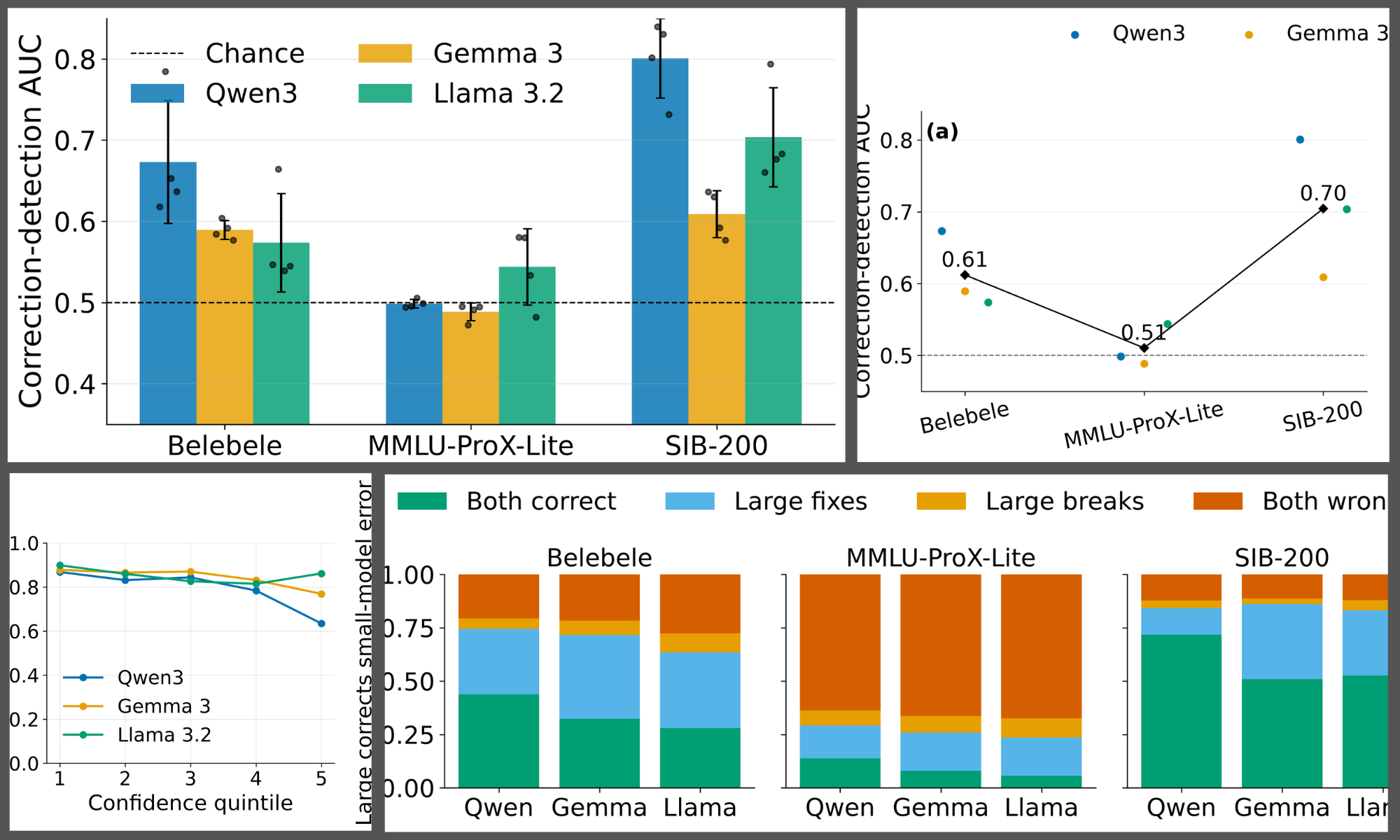
Small-to-large language model routing can reduce inference cost by escalating difficult inputs while retaining easier inputs on a smaller model. Its success, however, depends on identifying examples that benefit from escalation, and the reliability of confidence across multilingual tasks remains unclear. We present a systematic evaluation of confidence-based routing across three model families, four languages, and three task types, covering 72 model, dataset, language, and scale configurations and 42,288 predictions. We compare global confidence routing with random routing, equal-quota confidence routing, and an oracle upper bound. Confidence identifies beneficial escalations on the Belebele reading comprehension and SIB-200 topic classification datasets, with mean correction-detection AUCs of 0.612 and 0.705. At 50% escalation, it improves over random routing by 1.40–4.67 percentage points on Belebele and 2.54–5.63 points on SIB-200. In contrast, the mean AUC on the MMLU-ProX-Lite knowledge and reasoning dataset is only 0.510 because small models often remain highly confident while incorrect. Global confidence routing also creates language escalation gaps up to 30.33 percentage points, whereas equal-quota routing removes this disparity with little aggregate accuracy cost. These results show that confidence routing is task-dependent and can allocate computation unevenly across languages.
BibTeX:
@misc{hossen2026routing,
  title={Who Pays for Efficient Inference? Confidence-Based Small-to-Large LLM Routing Across Tasks and Languages},
  author={Hossen, Md Sabbir and Rahman, Anichur and Shaha, Pabon and others},
  year={2026},
  note={arXiv preprint}
}
🔗 arXiv preprint link will be available soon.
 Automated Scoring of Bangla Student Responses: An Efficient and Explainable Deep Learning Approach
[Under Review]
Abstract:
Automated Scoring of Bangla Student Responses: An Efficient and Explainable Deep Learning Approach
[Under Review]
Abstract:
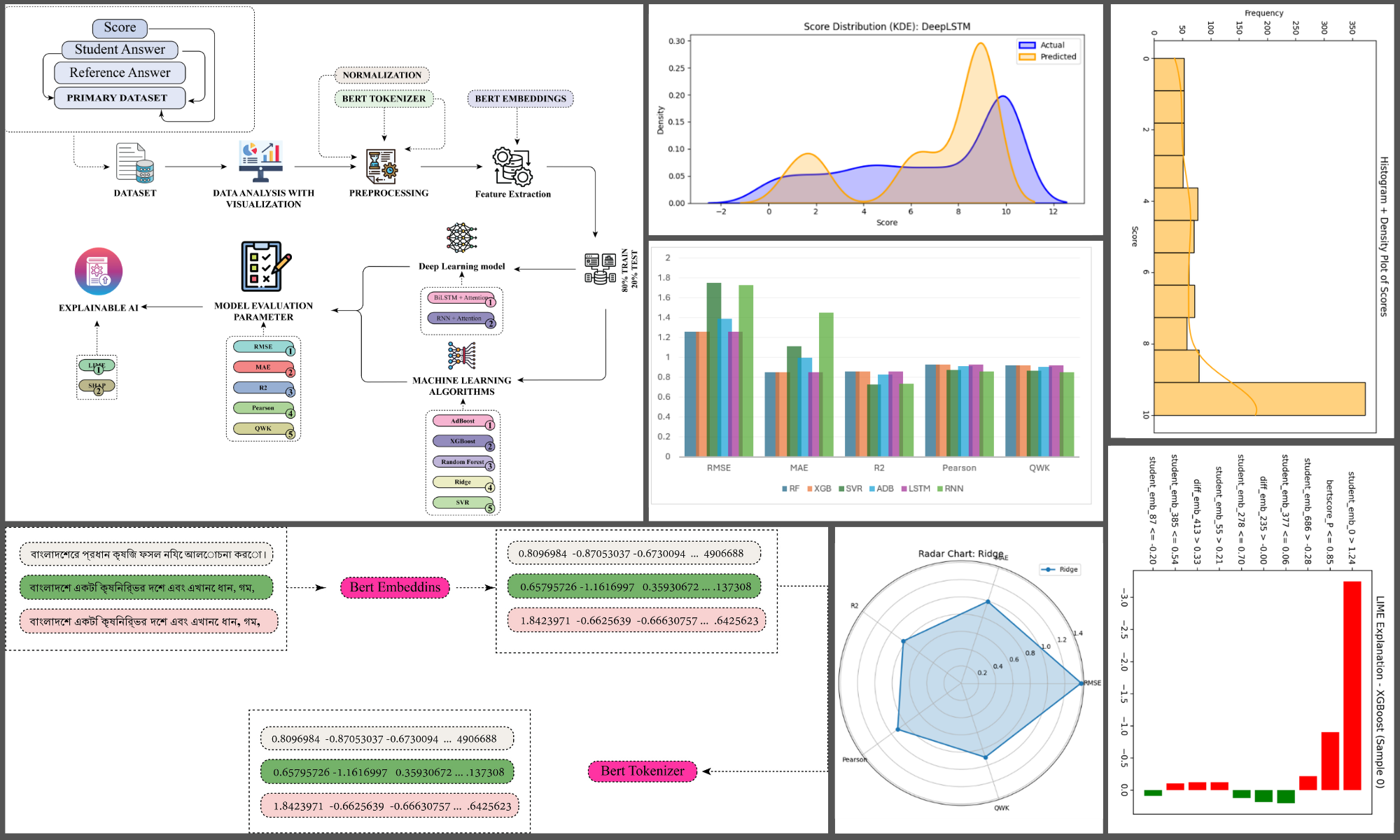
The automatic grading of student answers is one of the most important tasks in educational technology, designed to deliver fair, scalable, and accurate assessment comparable to that of human scorers. Although transformer-based methods such as BERT have contributed significantly to this area in high-resource languages, limited research has been conducted for Bangla, a low-resource language with more than 230 million speakers globally. This study proposes a hybrid model based on Bangla-BERT embeddings coupled with semantic similarity features and various predictive models, including ensemble machine learning algorithms such as Adaptive Boosting (ADB), Extreme Gradient Boosting (XGB), Random Forest (RF), Support Vector Regression (SVM), and Ridge Regression (RR), as well as deep neural networks such as Recurrent Neural Network (RNN) and Long Short-Term Memory (LSTM). The dataset comprises 2,847 Bangla student responses across seven academic learning domains, scored from 0–10 by subject experts. Root Mean Square Error (RMSE), Mean Absolute Error (MAE), R-squared (R²), Pearson correlation coefficient, and Quadratic Weighted Kappa (QWK) were used for evaluation under 10-fold cross-validation. Results reveal that XGB consistently outperforms both linear and deep learning models, achieving RMSE = 1.2574, MAE ≈ 0.8502, R² ≈ 0.8606, Pearson ≈ 0.9277, and QWK ≈ 0.9211. Moreover, LIME-based feature attribution reveals that semantic similarity features, including cosine similarity and BERTScore, are the most important predictors, further highlighting the interpretability of the system. This work introduces a complete automatic scoring system for Bangla and contributes to the development of NLP for low-resource languages while providing a transparent and reliable basis for educational assessment systems.
BibTeX:
@article{Shaikat2026,
  title={Automated Scoring of Bangla Student Responses: An Efficient and Explainable Deep Learning Approach},
  author={Shaikat, Md. Tanvir Ahmed and Shaha, Pabon and Hossen, Md. Sabbir and Rana, S M Rifatur and others},
  year={2026}
}
💻 Source code will be made available upon request.
Please
Contact
.
 Catching the Bots: A Transformer-Based Ensemble Learning for Machine-Generated Text Detection
[Under Review in a Q1 Journal]
Abstract:
Catching the Bots: A Transformer-Based Ensemble Learning for Machine-Generated Text Detection
[Under Review in a Q1 Journal]
Abstract:
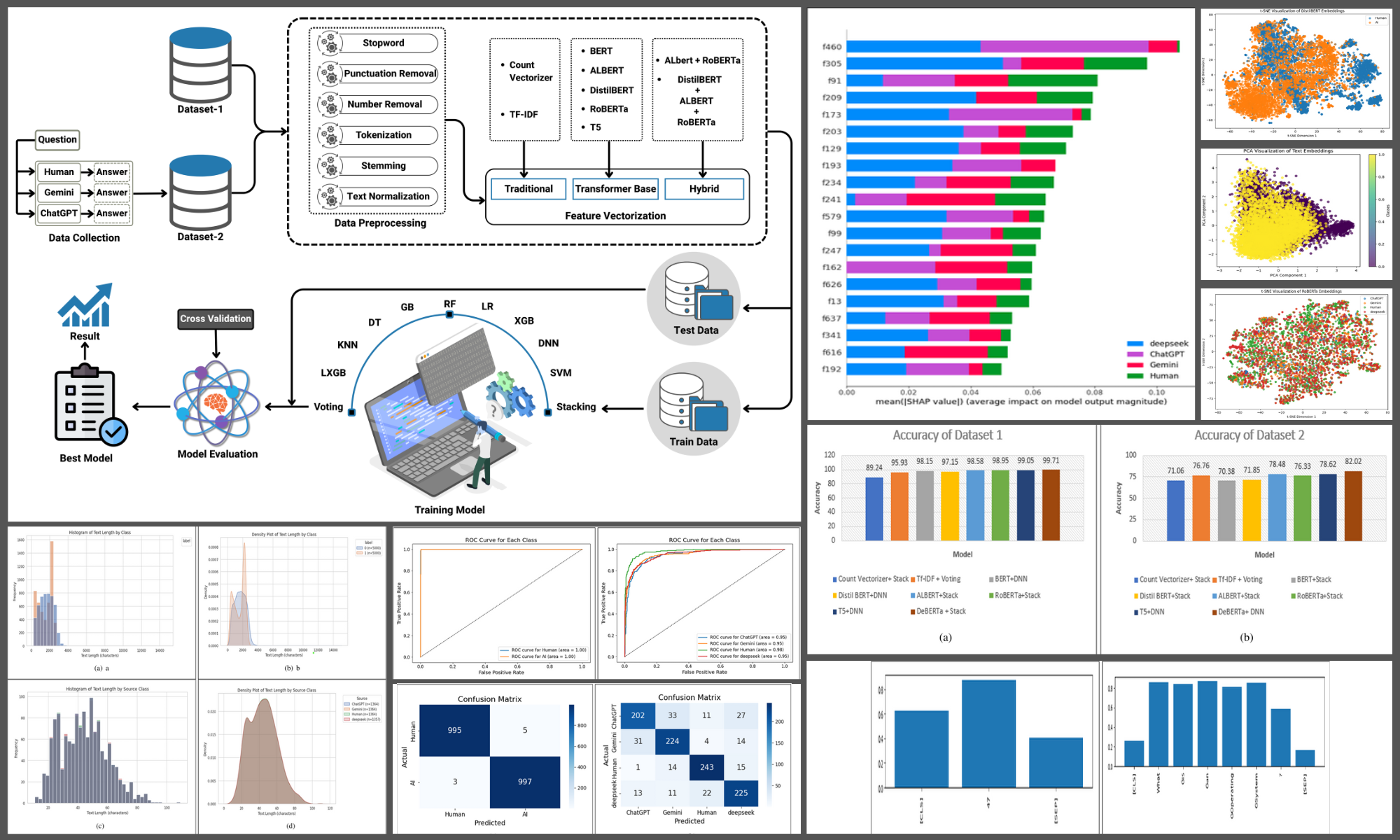
Amid growing reliance on AI-generated content, the challenge of identifying the trustworthy source of textual data has become increasingly critical. Large language models (LLMs), such as ChatGPT, Gemini and deepseek etc., generate content that closely mimics human writing. Concerns surrounding misinformation, authorship integrity, and digital accountability have intensified. To address these challenges, this study presents a robust and scalable source attribution framework that accurately identifies the origin of textual content, whether written by a human or generated by specific AI models. We utilize two benchmark datasets, one publicly available and another created by us using diverse prompts to collect balanced samples from ChatGPT, Gemini, deepseek and human writers. The proposed approach integrates traditional vectorization like Count Vectorizer and TF-IDF methods with deep transformer-based embeddings from models including BERT, ALBERT, RoBERTa, DistilBERT, T5 and DeBERTa. The extracted features were fed into several machine learning classifiers as well as a deep neural network (DNN). Among all model classifier combinations, the DeBERTa combined with Stack model achieved the highest accuracy, 99.71% on Dataset 1 and again DeBERT with custom 6 Layer DNN achieved 82.02% accuracy on Dataset 2. These findings highlight the effectiveness of transformer-powered representations for detecting human AI-generated text sources. The proposed method advances generative AI forensics, supports content verification, and contributes to the responsible governance of AI.
BibTeX:
@inproceedings{Shaha2025,
  title={Catching the Bots: A Transformer-Based Ensemble Learning for Machine-Generated Text Detection},
  author={Shaha, Pabon and Hossen, Md. Sabbir and Rahman, Anichur and Nasir, Mostofa Kamal and others},
  year={2025}
}
💻 Source code will be made available upon request.
Please
Contact
.
 An Efficient Deep Learning Framework for Brain Stroke Diagnosis Using Computed Tomography (CT) Images
[Under Review in a Q1 Journal]
Abstract:
An Efficient Deep Learning Framework for Brain Stroke Diagnosis Using Computed Tomography (CT) Images
[Under Review in a Q1 Journal]
Abstract:
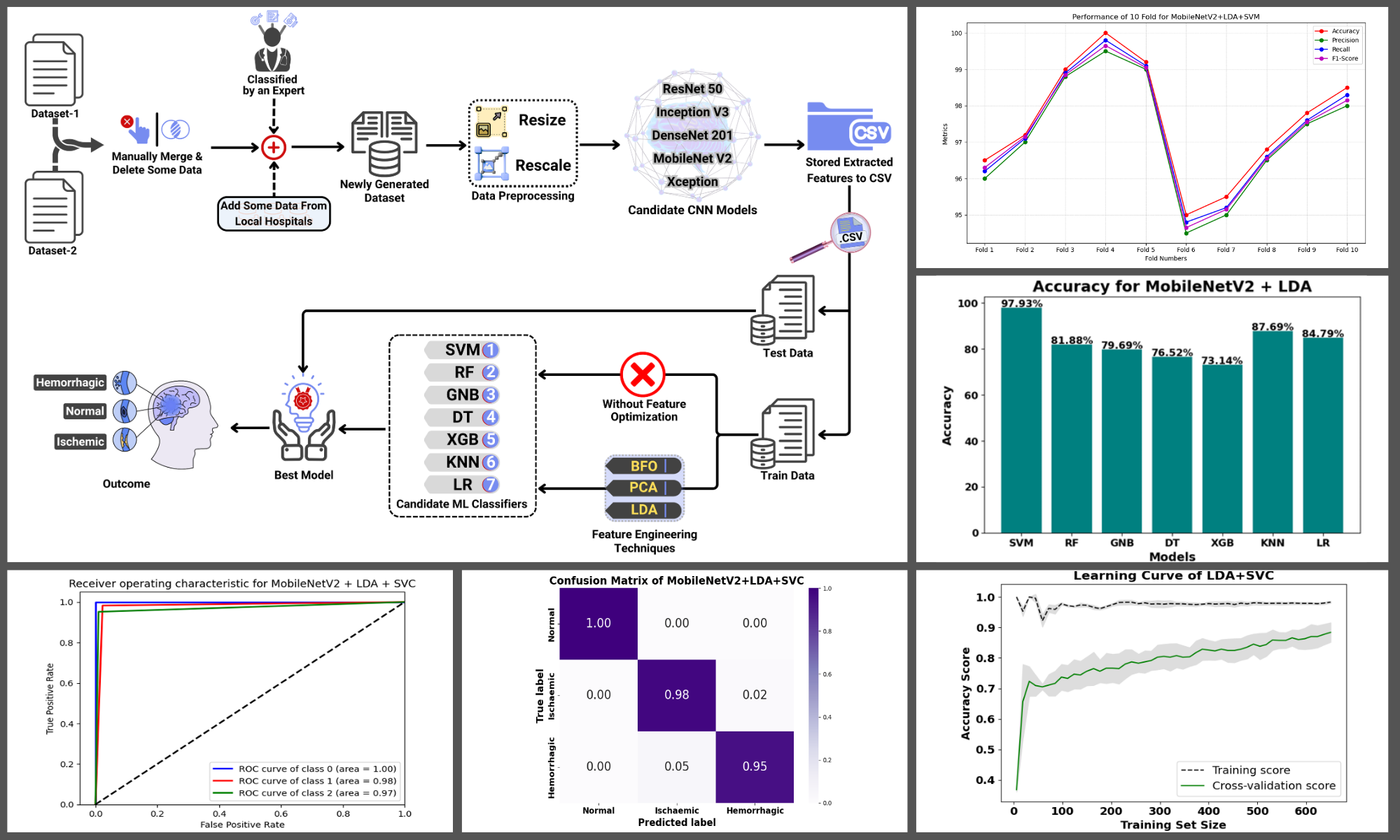
Brain stroke is a leading cause of mortality and long-term disability worldwide, underscoring the need for precise and rapid prediction techniques. A Computed Tomography (CT) scan is considered one of the most effective methods for diagnosing brain strokes. Most stroke classification techniques use a single slice-level prediction mechanism, requiring radiologists to manually select the most critical CT slice from the original CT volume. Although clinical evaluations are often used in traditional diagnostic procedures, machine learning (ML) has opened up new avenues for improving stroke diagnosis. To supplement traditional diagnostic techniques, this study investigates machine learning models for early brain stroke prediction using CT scan images. This research proposes a novel machine learning approach to brain stroke detection, focusing on optimizing classification performance with pre-trained deep learning models and advanced optimization strategies. Pre-trained models, including DenseNet201, InceptionV3, MobileNetV2, ResNet50, and Xception, are used for feature extraction. Feature engineering techniques, including BFO, PCA, and LDA, further enhance model performance. These features are then classified using machine learning algorithms, including SVC, RF, XGB, DT, LR, KNN, and GNB. Our experiments demonstrate that the combination of MobileNetV2, LDA, and SVC achieved the highest classification accuracy of 97.93%, significantly outperforming other model-optimizer-classifier combinations. The results underline the effectiveness of integrating lightweight pre-trained models with robust optimization and classification techniques for brain stroke diagnosis.
BibTeX:
@article{hossen2025brain,
  title={An Efficient Deep Learning Framework for Brain Stroke Diagnosis Using Computed Tomography (CT) Images},
  author={Hossen, Md Sabbir and others},
  journal={},
  year={2025}
}
💻 Source code will be made available upon request.
Please
Contact
.
 Optimized Hybrid Approach for Early Detection of Alzheimer’s Disease Using Machine Learning and Deep Learning Technique
[Under Review]
Abstract:
Optimized Hybrid Approach for Early Detection of Alzheimer’s Disease Using Machine Learning and Deep Learning Technique
[Under Review]
Abstract:
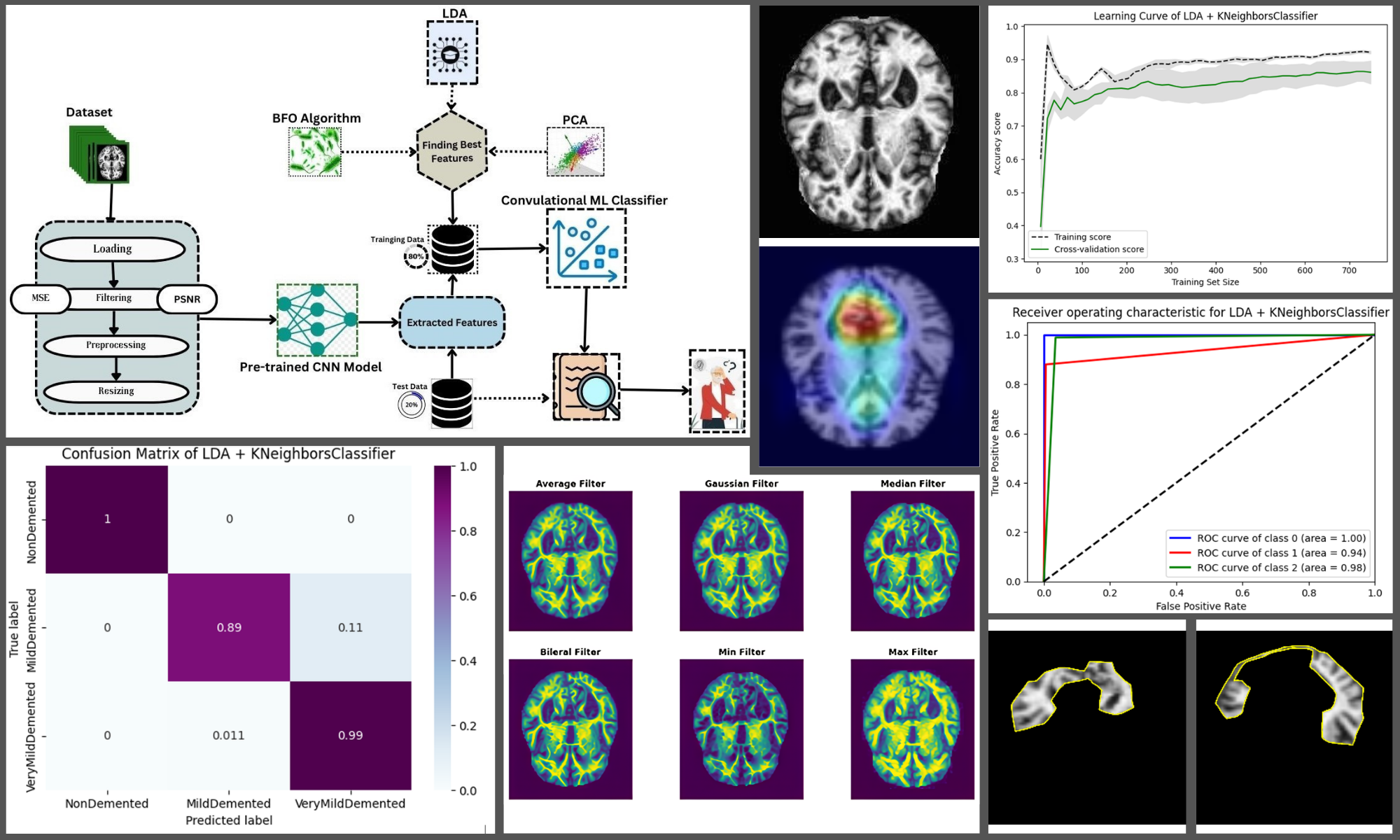
Alzheimer’s disease (AD) is an emerging and fatal neurological disorder characterized by slowly progressive cognitive deterioration and memory loss. Hence, early identification of the disease and timely intervention are key to managing AD and ensuring minimal deterioration of the condition. In the past, diagnosis was usually performed clinically by neurologists with the help of physical examination, including neuroimaging, which is efficient but time-consuming and tiresome. In recent years, the use of AI-enabled computer vision for image processing and analysis has received much interest. Prior studies using AI and machine learning approaches have demonstrated improved accuracy, but they often require significant computational resources and massive datasets. This paper presents a cascaded network topology employing both deep learning and conventional machine learning methods, optimized using Linear Discriminant Analysis (LDA) for AD diagnosis from neuroimaging data. The proposed approach achieved an accuracy of 98.32% using a frozen 20.014 M-parameter backbone with an inference time of 309 ms and without end-to-end fine-tuning, making it suitable for settings with limited data and modest hardware. Five well-known pre-trained CNN architectures were evaluated as feature extractors, and LDA was applied to project the extracted features onto a compact discriminative subspace before classification using seven conventional machine learning models. Among the evaluated approaches, the DenseNet201-LDA-KNN cascaded network achieved the best performance for Alzheimer’s disease detection.
BibTeX:
@article{Shuvo2026,
  title={Optimized Hybrid Approach for Early Detection of Alzheimer’s Disease Using Machine Learning and Deep Learning Technique},
  author={Shuvo, Eshat Ahmad and Rahman, Wahidur and Shaha, Pabon and Hossen, Md. Sabbir and others},
  year={2026}
}
💻 Source code will be made available upon request.
Please
Contact
.
 ConvNet9: A Cutting-Edge Customized Convolutional Neural Network Model to Identify Potato Leaf Disease with Web Application
[Under Review in a Q2 Journal]
Abstract:
ConvNet9: A Cutting-Edge Customized Convolutional Neural Network Model to Identify Potato Leaf Disease with Web Application
[Under Review in a Q2 Journal]
Abstract:
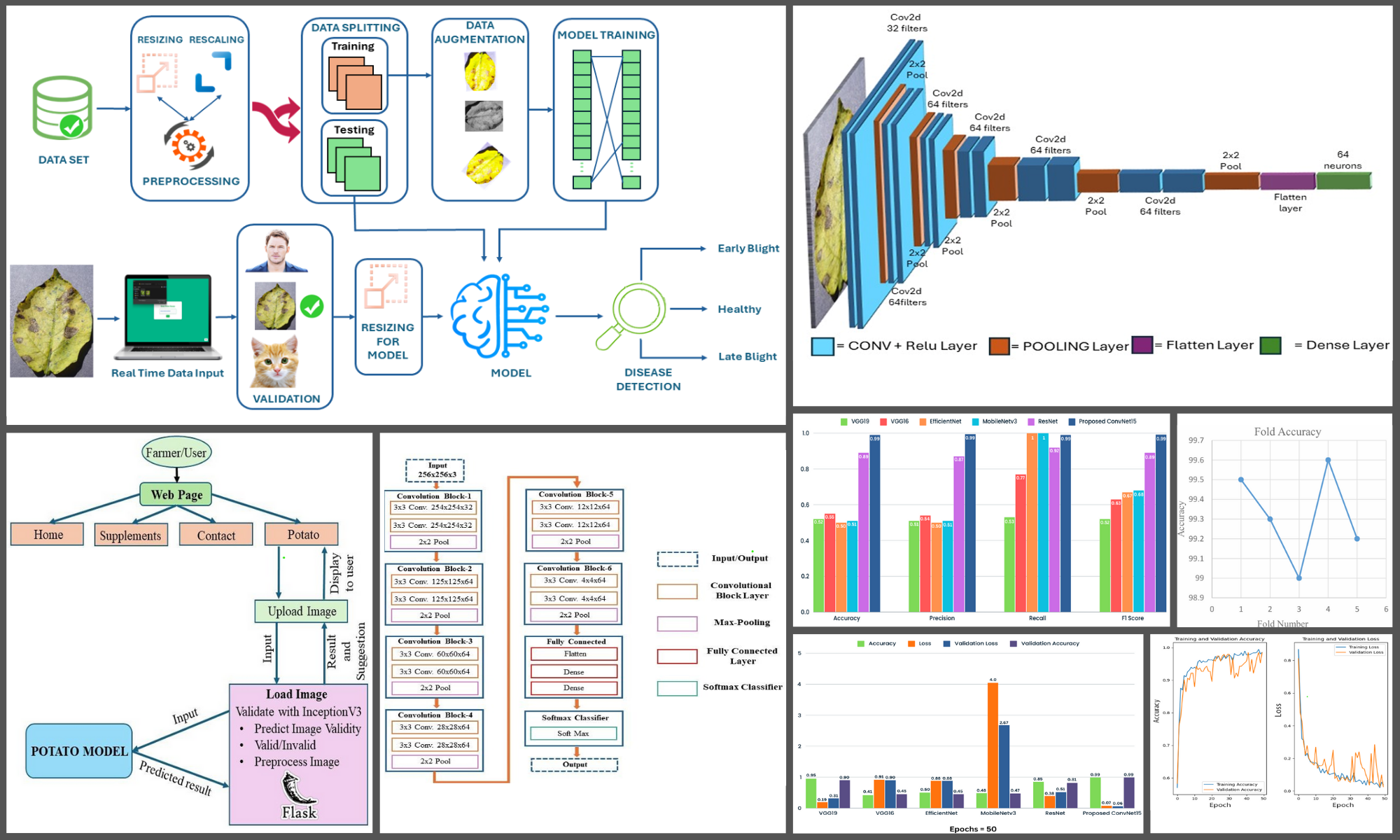
Potato Cultivation is globally significant because it ensures food security, farmer’s economic stability, and adaptability to diverse climates. Potatoes provide vital nutrients, serve as a versatile staple food, and contribute to agricultural diversity, making them a cornerstone of global agriculture. Numerous leaf diseases drastically lower the yield of potato crop production, impacting the production of agriculture worldwide both in terms of quantity and quality. Thus, an accurate classification of potato leaf illness is needed to solve the problem. Convolutional Neural Network has the potential to revolutionize agricultural health monitoring by analyzing enormous amounts of data to detect crop diseases, pests, and nutrient deficiencies rapidly and accurately. In this research, a deep-learning methodology was suggested to recognize and categorize potato leaf illnesses using the famous PlantVillage Dataset of potato leaf images. Using the photos, we proposed ConvNet9 a CNN based model to detect healthy and infected potato leaves. As for our findings, our proposed ConvNet9 model achieved the 99.30% highest accuracy in identifying potato leaf illness. Therefore, the proposed ConvNet9 model was selected to create an intelligent website for crop disease detection. We have demonstrated the reliability of our proposed web application in addressing potato leaf diseases and diagnosing diseases of potato leaves.
BibTeX:
@article{Parvez2024ConvNet9,
  title={ConvNet9: A Cutting-Edge Customized Convolutional Neural Network Model to Identify Potato Leaf Disease with Web Application},
  author={Parvez, Mohammad Shohel and Hossen, Md. Sabbir and Shaha, Pabon and Ziibon, Zohurul Haque and Shaikat, Tanvir Ahmed and Paul, Bikash Kumar},
  journal={Potato Research},
  year={2024}
}
💻 Source code will be made available upon request.
Please
Contact
.
Ongoing Research
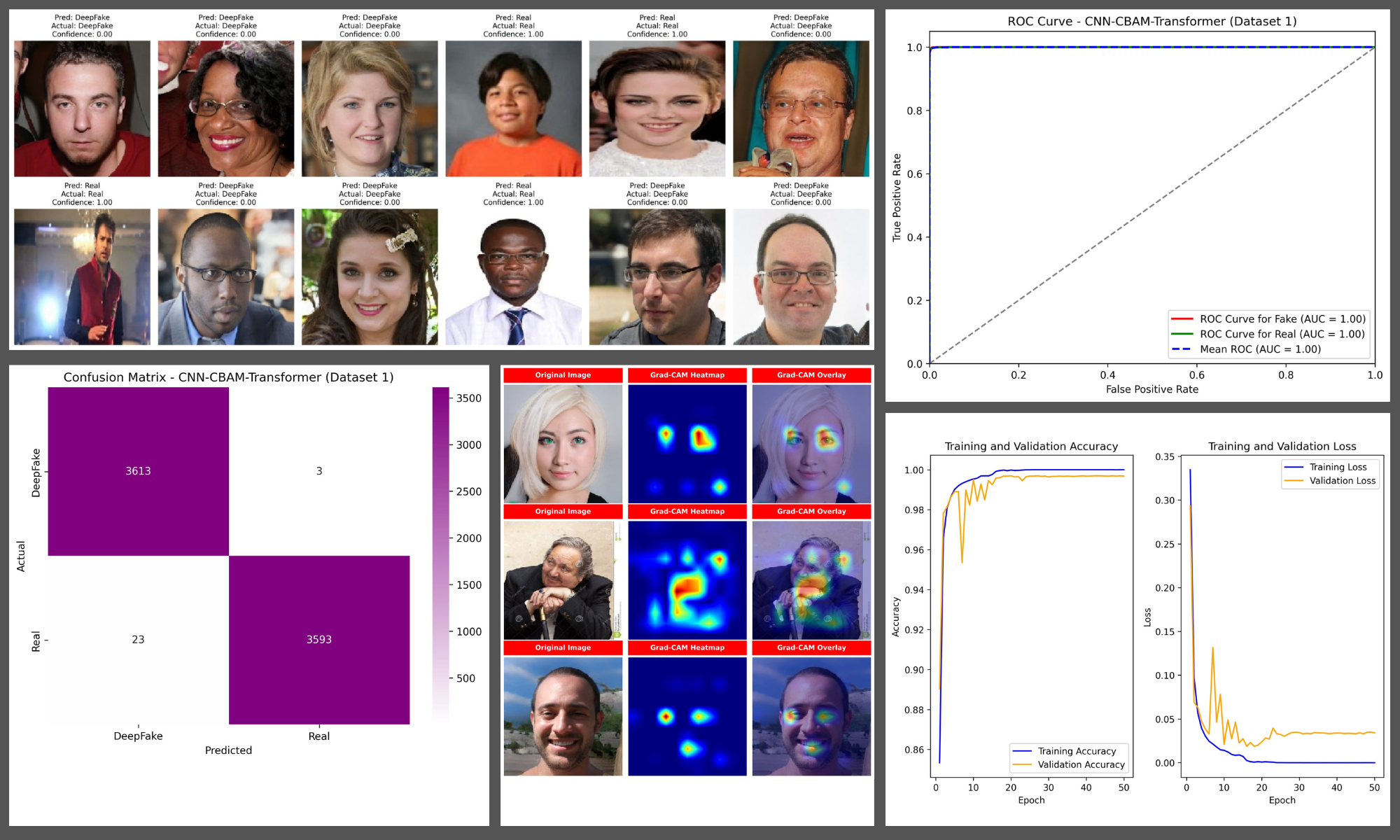 A Spatial-Channel Attention Guided Vision Hybrid Approach for Robust Deepfake Forensics
[Manuscript Under Preparation]
Details:
A Spatial-Channel Attention Guided Vision Hybrid Approach for Robust Deepfake Forensics
[Manuscript Under Preparation]
Details:
This is my solo work, and the manuscript is currently under preparation. I hope to submit it to a top-tier journal.
Large language models (LLMs) offer strong multilingual capabilities, but their memory requirements hinder deployment in resource-constrained settings, particularly for low-resource languages. Although post-training quantization can reduce these requirements, its effects on low-resource language understanding remain insufficiently characterized. We present a controlled study of model capacity and quantization for Bangla language understanding using Qwen2.5 models at 0.5B, 1.5B, and 3B parameters under FP16, INT8, and 4-bit NormalFloat (NF4) across stance classification, natural language inference, and fake-news classification, with Falcon3-3B providing cross-family validation. Qwen2.5-3B FP16 achieves Macro-F1 scores of 0.435, 0.728, and 0.664 across the three tasks, while the 0.5B model exhibits class collapse even before quantization. INT8 retains 96.2–99.9% of Qwen2.5-3B performance, whereas NF4 retention ranges from 77.3–91.3%. On an NVIDIA Tesla T4, INT8 and NF4 reduce the Qwen2.5-3B footprint by 45.0% and 67.4%, respectively, but neither improves inference speed. These findings show that effective LLM compression for low-resource languages requires jointly considering model capacity, task sensitivity, memory efficiency, and deployment hardware.
@misc{hossen2026compress,
title={How Much Can We Compress Small LLMs? Quantization Trade-offs for Low-Resource Bangla Language Understanding},
author={Hossen, Md Sabbir and Rahman, Anichur and Shaha, Pabon and Sung, Andrew H. and Rana, Md Shohel},
year={2026},
note={arXiv preprint}
}
Small-to-large language model routing can reduce inference cost by escalating difficult inputs while retaining easier inputs on a smaller model. Its success, however, depends on identifying examples that benefit from escalation, and the reliability of confidence across multilingual tasks remains unclear. We present a systematic evaluation of confidence-based routing across three model families, four languages, and three task types, covering 72 model, dataset, language, and scale configurations and 42,288 predictions. We compare global confidence routing with random routing, equal-quota confidence routing, and an oracle upper bound. Confidence identifies beneficial escalations on the Belebele reading comprehension and SIB-200 topic classification datasets, with mean correction-detection AUCs of 0.612 and 0.705. At 50% escalation, it improves over random routing by 1.40–4.67 percentage points on Belebele and 2.54–5.63 points on SIB-200. In contrast, the mean AUC on the MMLU-ProX-Lite knowledge and reasoning dataset is only 0.510 because small models often remain highly confident while incorrect. Global confidence routing also creates language escalation gaps up to 30.33 percentage points, whereas equal-quota routing removes this disparity with little aggregate accuracy cost. These results show that confidence routing is task-dependent and can allocate computation unevenly across languages.
@misc{hossen2026routing,
title={Who Pays for Efficient Inference? Confidence-Based Small-to-Large LLM Routing Across Tasks and Languages},
author={Hossen, Md Sabbir and Rahman, Anichur and Shaha, Pabon and others},
year={2026},
note={arXiv preprint}
}
The automatic grading of student answers is one of the most important tasks in educational technology, designed to deliver fair, scalable, and accurate assessment comparable to that of human scorers. Although transformer-based methods such as BERT have contributed significantly to this area in high-resource languages, limited research has been conducted for Bangla, a low-resource language with more than 230 million speakers globally. This study proposes a hybrid model based on Bangla-BERT embeddings coupled with semantic similarity features and various predictive models, including ensemble machine learning algorithms such as Adaptive Boosting (ADB), Extreme Gradient Boosting (XGB), Random Forest (RF), Support Vector Regression (SVM), and Ridge Regression (RR), as well as deep neural networks such as Recurrent Neural Network (RNN) and Long Short-Term Memory (LSTM). The dataset comprises 2,847 Bangla student responses across seven academic learning domains, scored from 0–10 by subject experts. Root Mean Square Error (RMSE), Mean Absolute Error (MAE), R-squared (R²), Pearson correlation coefficient, and Quadratic Weighted Kappa (QWK) were used for evaluation under 10-fold cross-validation. Results reveal that XGB consistently outperforms both linear and deep learning models, achieving RMSE = 1.2574, MAE ≈ 0.8502, R² ≈ 0.8606, Pearson ≈ 0.9277, and QWK ≈ 0.9211. Moreover, LIME-based feature attribution reveals that semantic similarity features, including cosine similarity and BERTScore, are the most important predictors, further highlighting the interpretability of the system. This work introduces a complete automatic scoring system for Bangla and contributes to the development of NLP for low-resource languages while providing a transparent and reliable basis for educational assessment systems.
@article{Shaikat2026,
title={Automated Scoring of Bangla Student Responses: An Efficient and Explainable Deep Learning Approach},
author={Shaikat, Md. Tanvir Ahmed and Shaha, Pabon and Hossen, Md. Sabbir and Rana, S M Rifatur and others},
year={2026}
}
Amid growing reliance on AI-generated content, the challenge of identifying the trustworthy source of textual data has become increasingly critical. Large language models (LLMs), such as ChatGPT, Gemini and deepseek etc., generate content that closely mimics human writing. Concerns surrounding misinformation, authorship integrity, and digital accountability have intensified. To address these challenges, this study presents a robust and scalable source attribution framework that accurately identifies the origin of textual content, whether written by a human or generated by specific AI models. We utilize two benchmark datasets, one publicly available and another created by us using diverse prompts to collect balanced samples from ChatGPT, Gemini, deepseek and human writers. The proposed approach integrates traditional vectorization like Count Vectorizer and TF-IDF methods with deep transformer-based embeddings from models including BERT, ALBERT, RoBERTa, DistilBERT, T5 and DeBERTa. The extracted features were fed into several machine learning classifiers as well as a deep neural network (DNN). Among all model classifier combinations, the DeBERTa combined with Stack model achieved the highest accuracy, 99.71% on Dataset 1 and again DeBERT with custom 6 Layer DNN achieved 82.02% accuracy on Dataset 2. These findings highlight the effectiveness of transformer-powered representations for detecting human AI-generated text sources. The proposed method advances generative AI forensics, supports content verification, and contributes to the responsible governance of AI.
@inproceedings{Shaha2025,
title={Catching the Bots: A Transformer-Based Ensemble Learning for Machine-Generated Text Detection},
author={Shaha, Pabon and Hossen, Md. Sabbir and Rahman, Anichur and Nasir, Mostofa Kamal and others},
year={2025}
}
Brain stroke is a leading cause of mortality and long-term disability worldwide, underscoring the need for precise and rapid prediction techniques. A Computed Tomography (CT) scan is considered one of the most effective methods for diagnosing brain strokes. Most stroke classification techniques use a single slice-level prediction mechanism, requiring radiologists to manually select the most critical CT slice from the original CT volume. Although clinical evaluations are often used in traditional diagnostic procedures, machine learning (ML) has opened up new avenues for improving stroke diagnosis. To supplement traditional diagnostic techniques, this study investigates machine learning models for early brain stroke prediction using CT scan images. This research proposes a novel machine learning approach to brain stroke detection, focusing on optimizing classification performance with pre-trained deep learning models and advanced optimization strategies. Pre-trained models, including DenseNet201, InceptionV3, MobileNetV2, ResNet50, and Xception, are used for feature extraction. Feature engineering techniques, including BFO, PCA, and LDA, further enhance model performance. These features are then classified using machine learning algorithms, including SVC, RF, XGB, DT, LR, KNN, and GNB. Our experiments demonstrate that the combination of MobileNetV2, LDA, and SVC achieved the highest classification accuracy of 97.93%, significantly outperforming other model-optimizer-classifier combinations. The results underline the effectiveness of integrating lightweight pre-trained models with robust optimization and classification techniques for brain stroke diagnosis.
@article{hossen2025brain,
title={An Efficient Deep Learning Framework for Brain Stroke Diagnosis Using Computed Tomography (CT) Images},
author={Hossen, Md Sabbir and others},
journal={},
year={2025}
}
Alzheimer’s disease (AD) is an emerging and fatal neurological disorder characterized by slowly progressive cognitive deterioration and memory loss. Hence, early identification of the disease and timely intervention are key to managing AD and ensuring minimal deterioration of the condition. In the past, diagnosis was usually performed clinically by neurologists with the help of physical examination, including neuroimaging, which is efficient but time-consuming and tiresome. In recent years, the use of AI-enabled computer vision for image processing and analysis has received much interest. Prior studies using AI and machine learning approaches have demonstrated improved accuracy, but they often require significant computational resources and massive datasets. This paper presents a cascaded network topology employing both deep learning and conventional machine learning methods, optimized using Linear Discriminant Analysis (LDA) for AD diagnosis from neuroimaging data. The proposed approach achieved an accuracy of 98.32% using a frozen 20.014 M-parameter backbone with an inference time of 309 ms and without end-to-end fine-tuning, making it suitable for settings with limited data and modest hardware. Five well-known pre-trained CNN architectures were evaluated as feature extractors, and LDA was applied to project the extracted features onto a compact discriminative subspace before classification using seven conventional machine learning models. Among the evaluated approaches, the DenseNet201-LDA-KNN cascaded network achieved the best performance for Alzheimer’s disease detection.
@article{Shuvo2026,
title={Optimized Hybrid Approach for Early Detection of Alzheimer’s Disease Using Machine Learning and Deep Learning Technique},
author={Shuvo, Eshat Ahmad and Rahman, Wahidur and Shaha, Pabon and Hossen, Md. Sabbir and others},
year={2026}
}
Potato Cultivation is globally significant because it ensures food security, farmer’s economic stability, and adaptability to diverse climates. Potatoes provide vital nutrients, serve as a versatile staple food, and contribute to agricultural diversity, making them a cornerstone of global agriculture. Numerous leaf diseases drastically lower the yield of potato crop production, impacting the production of agriculture worldwide both in terms of quantity and quality. Thus, an accurate classification of potato leaf illness is needed to solve the problem. Convolutional Neural Network has the potential to revolutionize agricultural health monitoring by analyzing enormous amounts of data to detect crop diseases, pests, and nutrient deficiencies rapidly and accurately. In this research, a deep-learning methodology was suggested to recognize and categorize potato leaf illnesses using the famous PlantVillage Dataset of potato leaf images. Using the photos, we proposed ConvNet9 a CNN based model to detect healthy and infected potato leaves. As for our findings, our proposed ConvNet9 model achieved the 99.30% highest accuracy in identifying potato leaf illness. Therefore, the proposed ConvNet9 model was selected to create an intelligent website for crop disease detection. We have demonstrated the reliability of our proposed web application in addressing potato leaf diseases and diagnosing diseases of potato leaves.
@article{Parvez2024ConvNet9,
title={ConvNet9: A Cutting-Edge Customized Convolutional Neural Network Model to Identify Potato Leaf Disease with Web Application},
author={Parvez, Mohammad Shohel and Hossen, Md. Sabbir and Shaha, Pabon and Ziibon, Zohurul Haque and Shaikat, Tanvir Ahmed and Paul, Bikash Kumar},
journal={Potato Research},
year={2024}
}
This is my solo work, and the manuscript is currently under preparation. I hope to submit it to a top-tier journal.